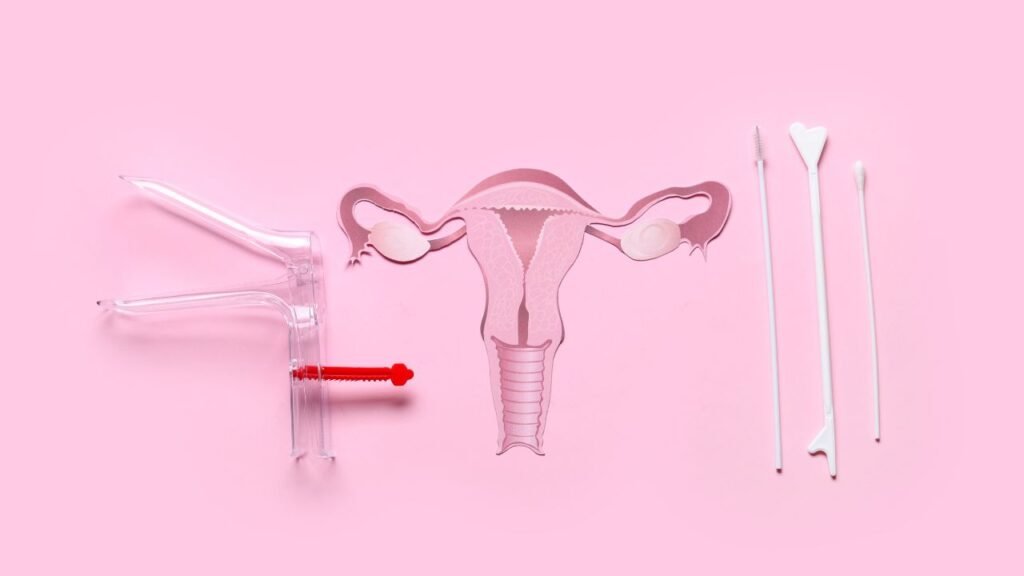
A Pap smear (also called a Pap test) is a routine cervical cancer screening procedure that collects cells from your cervix — the lower, narrow end of your uterus — to check for abnormalities. At SHAE Medical Aesthetics, we make this important screening a comfortable and empowering part of your annual women’s health care.
What Is a Pap Smear?
During a Pap smear, your provider gently scrapes a small sample of cells from your cervix. These cells are then sent to a laboratory to be examined for signs of cervical cancer or precancerous changes caused by the human papillomavirus (HPV) or other conditions. The test is quick, typically taking only a few minutes.
Why Is a Pap Smear Important?
- Early detection of cervical cancer, which is highly treatable when caught early
- Identification of precancerous cells before they develop into cancer
- Screening for HPV, the most common sexually transmitted infection linked to cervical cancer
- Peace of mind and proactive management of your reproductive health
How Often Should You Get a Pap Smear?
Current guidelines recommend:
- Ages 21–29: Every 3 years
- Ages 30–65: Every 3 years (Pap alone) or every 5 years (Pap + HPV co-test)
- 65 and older: May be able to stop screening if results have been normal
Your provider may recommend more frequent testing based on your personal health history.
What to Expect at SHAE Medical Aesthetics
Our providers are committed to making your Pap smear as comfortable as possible. We will walk you through every step, answer your questions, and ensure your results are communicated clearly and promptly. Your health and comfort are our top priorities.
Ready to schedule your Pap smear? Contact us today to book your appointment.